Creating Beautiful Ceramic Tile Patterns
A well-chosen tile pattern can transform an ordinary room into something truly striking. Whether you're renovating a kitchen, bathroom, or hallway, the pattern you select will shape the entire feel of the space. But with so many options available — from classic herringbone to intricate Moroccan-inspired designs — knowing where to start can feel overwhelming.
Understanding the basics of tile layout
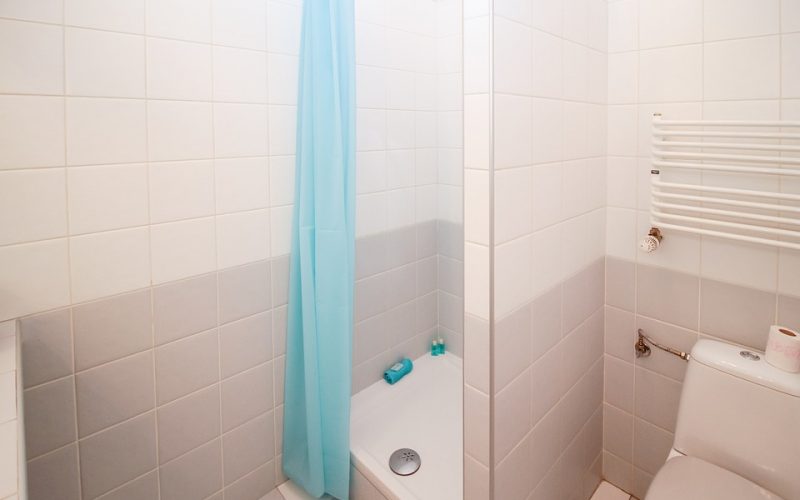
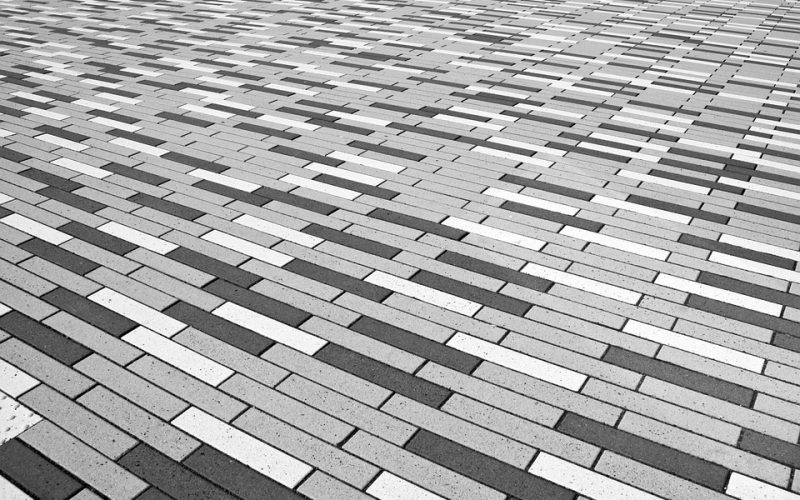
Before you choose a pattern, it helps to understand how tile layouts work. The most common is the straight or grid layout, where tiles are aligned in neat rows and columns. It's simple, clean, and works well in most settings. More dynamic options, like the running bond (also known as brick-pattern) or diagonal layout, add movement and visual interest without requiring complex cuts. These foundational layouts form the building blocks of nearly every ceramic tile design you'll encounter.
Popular patterns worth considering
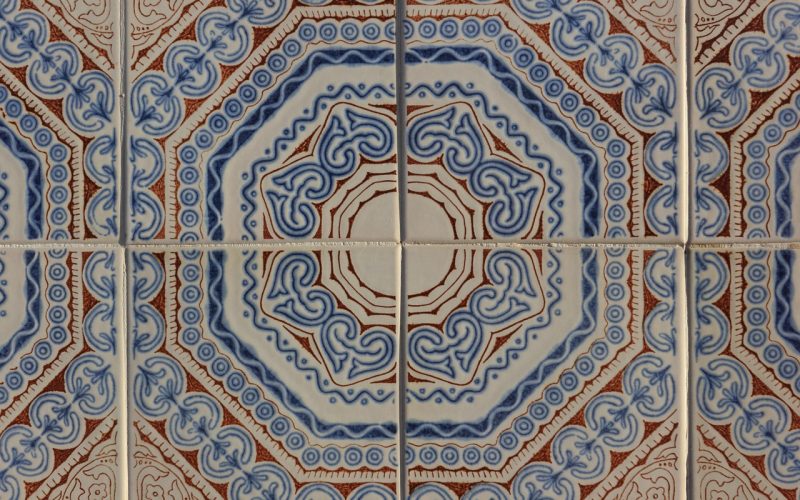
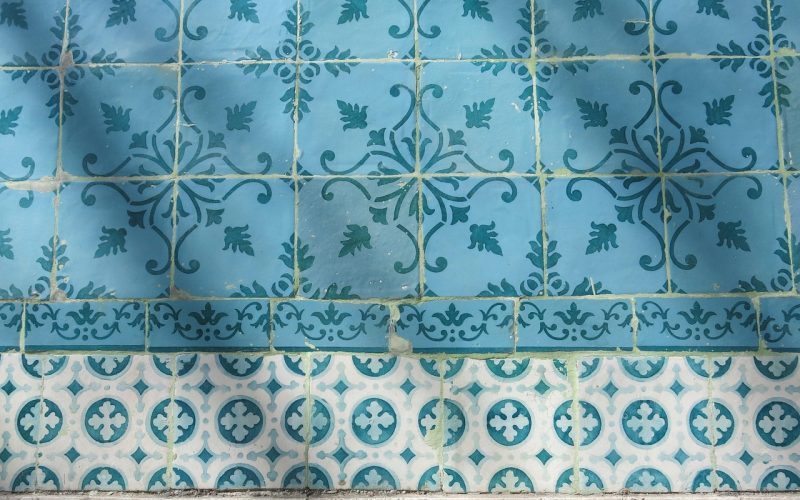
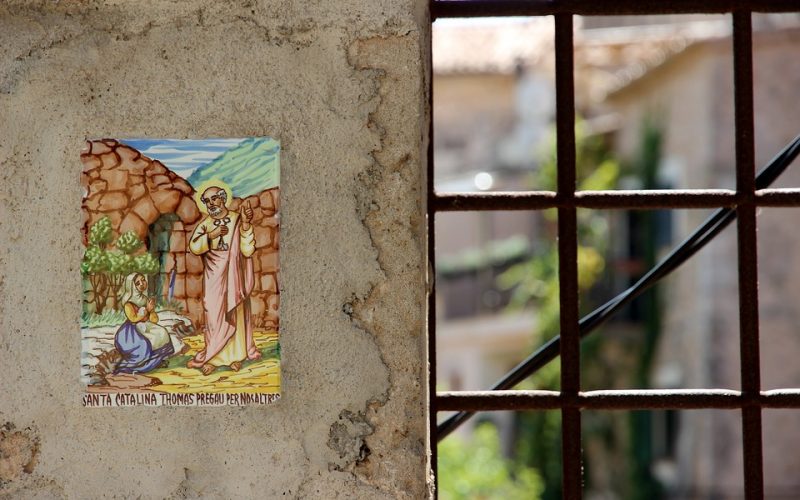
Herringbone is one of the most beloved tile patterns, and for good reason. Its interlocking V-shape creates a sense of direction and energy, making it ideal for hallways and feature walls. Chevron offers a similar effect but with a cleaner, more geometric finish. For something more intricate, encaustic-style ceramic tiles — designed with geometric or floral motifs — can produce stunning centrepiece arrangements in kitchens and bathrooms alike. Each pattern carries a distinct personality, so consider the overall mood you want to achieve before committing.
Choosing the right tile size and colour
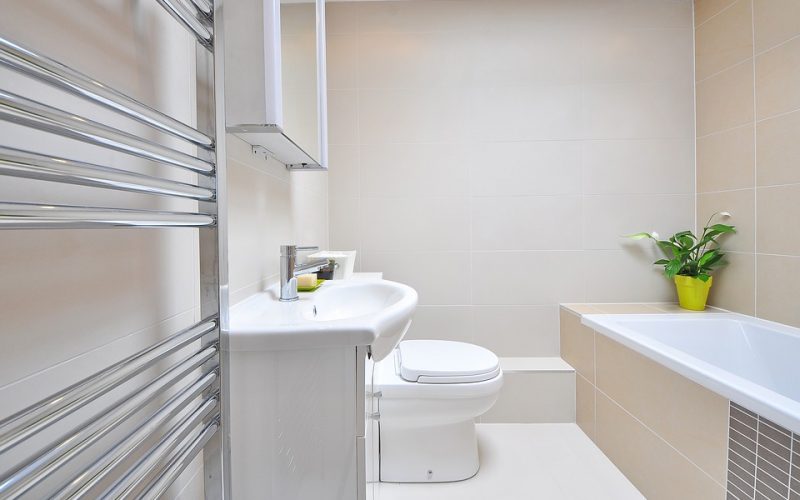
Tile size has a surprising impact on how a pattern reads in a room. Larger tiles tend to make a space feel more open and contemporary, while smaller tiles — particularly mosaic formats — lend themselves to detailed, decorative arrangements. Colour plays an equally important role. High-contrast combinations, such as black and white, emphasise the geometry of a pattern, while tonal palettes create a more subtle, layered effect. Neutral shades offer versatility, but don't shy away from bold colours if the space can support them.
Mixing patterns without overdoing it
Combining more than one tile pattern in a single space requires a careful eye. A practical approach is to use a bold, intricate pattern as a focal point — such as a patterned floor tile — and balance it with simpler, plainer tiles on surrounding walls. Keeping grout lines consistent in width and colour also helps unify mixed patterns. The key is contrast without competition; each pattern should complement the other rather than vie for attention.
Planning your layout before you tile
A little planning goes a long way when it comes to ceramic tile. Laying out your tiles dry — without adhesive — before committing allows you to visualise the finished result and make adjustments. Pay close attention to how the pattern falls at the edges of the room, as awkward cuts can disrupt an otherwise cohesive design. Starting from the centre of the room and working outwards is a widely used technique that helps keep patterns symmetrical and balanced.
Bringing your tile vision to life
Creating a beautiful ceramic tile pattern is as much about preparation as it is about aesthetics. Take time to research different layouts, experiment with colour combinations, and consider how natural and artificial light will interact with your chosen tiles throughout the day. When in doubt, order sample tiles and test them in the actual space before purchasing in bulk. With the right planning and a clear vision, ceramic tiles offer one of the most enduring and rewarding ways to add character to any room in the home.